






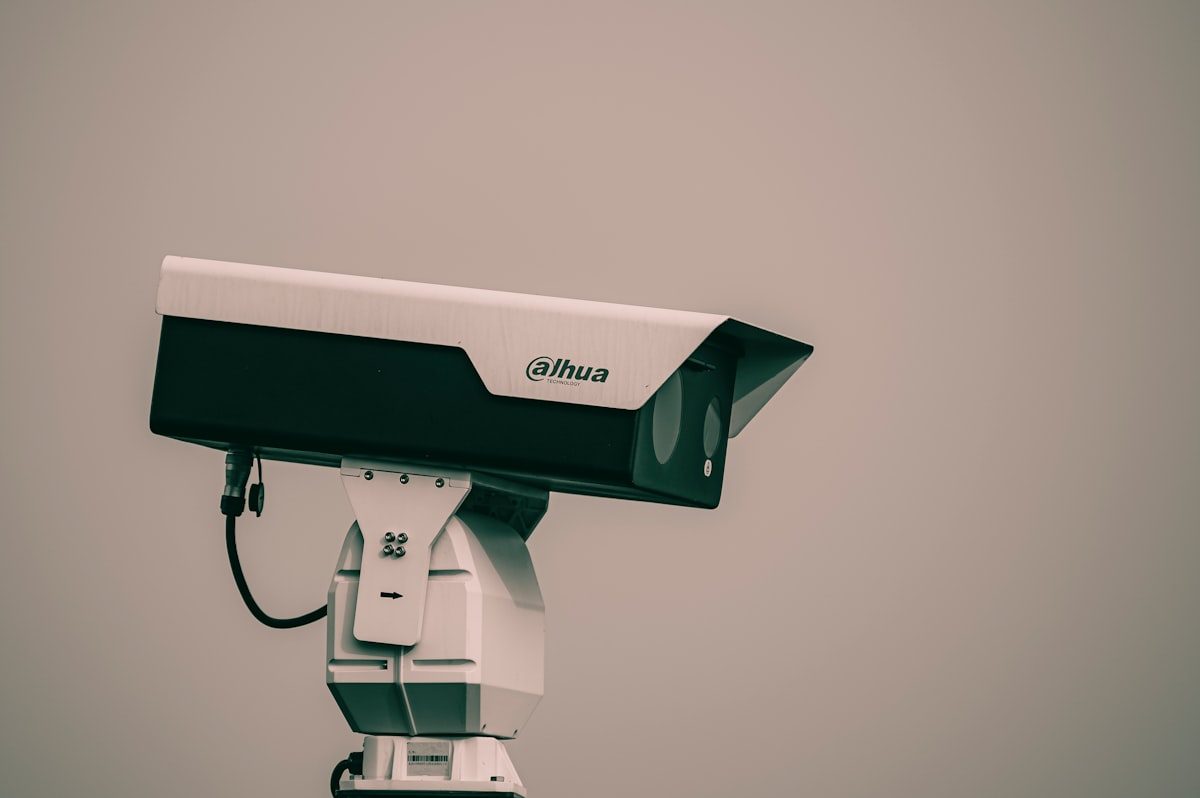
The Silent Watch: Why Colorado Must Establish Clear Guardrails for Surveillance Technology
The rapid proliferation of sophisticated surveillance technology has outpaced the legislative frameworks designed to govern it. In Colorado and across the United States, law enforcement agencies and municipal bodies are increasingly deploying powerful tools ranging from facial recognition software and automated license plate readers to predictive policing algorithms with little in the way of comprehensive, state-level standardization. As these technologies become more accessible and intrusive, the urgency for a cohesive policy response has moved from a theoretical privacy debate to a pressing matter of public trust and constitutional protection.

Without clear, consistent guidelines, the use of surveillance tools risks creating a patchwork of disparate local policies that leave citizens vulnerable to arbitrary enforcement and data mismanagement. If Colorado is to remain a leader in technology and civil liberties, it must adopt a proactive, transparent approach that balances the needs of public safety with the fundamental rights of its residents.
The Dangers of a Policy Vacuum
The primary concern regarding unregulated surveillance technology is not necessarily the existence of the tools themselves, but the lack of accountability in their deployment. When private companies provide high-tech surveillance solutions to public agencies, they often do so under proprietary contracts that limit public oversight. This opacity creates a “black box” scenario where citizens cannot determine how their data is being collected, stored, or shared.
Furthermore, without uniform state standards, the burden of regulation falls entirely on local governments. Smaller jurisdictions often lack the technical expertise to vet software vendors for bias or security vulnerabilities. This creates an uneven landscape where civil liberties are protected in one town but disregarded in the next, purely based on the budgetary and administrative capacity of the local government. A state-wide framework would harmonize these efforts, ensuring that every Coloradan enjoys the same level of protection against digital overreach.
Balancing Public Safety and Civil Liberties
Arguments for the use of surveillance technology are often centered on the goal of modernizing public safety. Proponents point to the effectiveness of forensic tools in solving cold cases, identifying suspects in high-stakes investigations, or managing traffic flows. However, the efficacy of these tools does not render them immune to scrutiny. The central challenge for policymakers is to draft guidelines that allow for the legitimate use of surveillance in criminal investigations while preventing the transition into a state of mass, warrantless monitoring.
To strike this balance, legislation must address three critical pillars: data minimization, transparency, and judicial oversight. Data minimization requires that agencies only collect what is strictly necessary and delete it once the investigation is closed. Transparency requires that the public be informed about what tools are in use and what the protocols for that use are. Judicial oversight ensures that the use of sensitive, highly intrusive tools such as facial recognition is subject to a warrant process that is documented and reviewable.
Key Takeaways
- Need for Standardization: A statewide approach is essential to prevent a fragmented policy environment where surveillance rules change based on geographic location.
- Accountability in Procurement: Public agencies must demand greater transparency from private surveillance vendors to ensure software is free from bias and data leaks.
- Protecting Fundamental Rights: Guidelines must codify the necessity of judicial warrants for invasive technologies, ensuring that law enforcement usage remains within constitutional bounds.
- Public Trust: Implementing clear, enforceable policies is the most effective way to maintain the social contract between the government and the communities it serves.
The Road Ahead: Institutionalizing Oversight
Establishing these guidelines is not merely a technical exercise; it is a profound commitment to the democratic process. Legislators in Colorado have the opportunity to set a national standard by creating a framework that emphasizes audit trails, regular reporting, and clear penalties for the misuse of surveillance data. By requiring law enforcement to report on the performance and impact of these tools, the state can move away from speculative fear-mongering and toward evidence-based policy. If a technology cannot be used in a way that respects the privacy of the citizenry while effectively maintaining safety, it should not be deployed.
Frequently Asked Questions
Why can’t local governments handle surveillance regulations on their own?
While local governments are the primary users of these tools, they often lack the resources to perform complex legal and ethical vetting. Statewide guidelines ensure that privacy standards remain consistent regardless of the size or wealth of a specific municipality.
Do these proposed guidelines prevent the police from doing their jobs?
No. Effective guidelines do not ban technology; they create a legal pathway for its use. By establishing clear “rules of the road,” law enforcement agencies can operate with greater confidence, knowing their actions are supported by a transparent and legally sound framework.
How will a state-level policy impact private company contracts?
A state policy would force vendors to comply with public transparency requirements as a prerequisite for doing business with public entities in Colorado, preventing companies from hiding behind non-disclosure agreements to evade accountability.
As surveillance technology continues to evolve, the necessity for a firm, legislative response becomes undeniable. By codifying ethical practices today, Colorado can ensure that the tools intended to protect us do not eventually erode the very freedoms that define our society.
Read more market, technology, and cybersecurity coverage on Trendnivo.