Really, You Made This Without AI? Prove It | Tech
Really, You Made This Without AI? Prove It | Tech
Category: Technology / General Technology
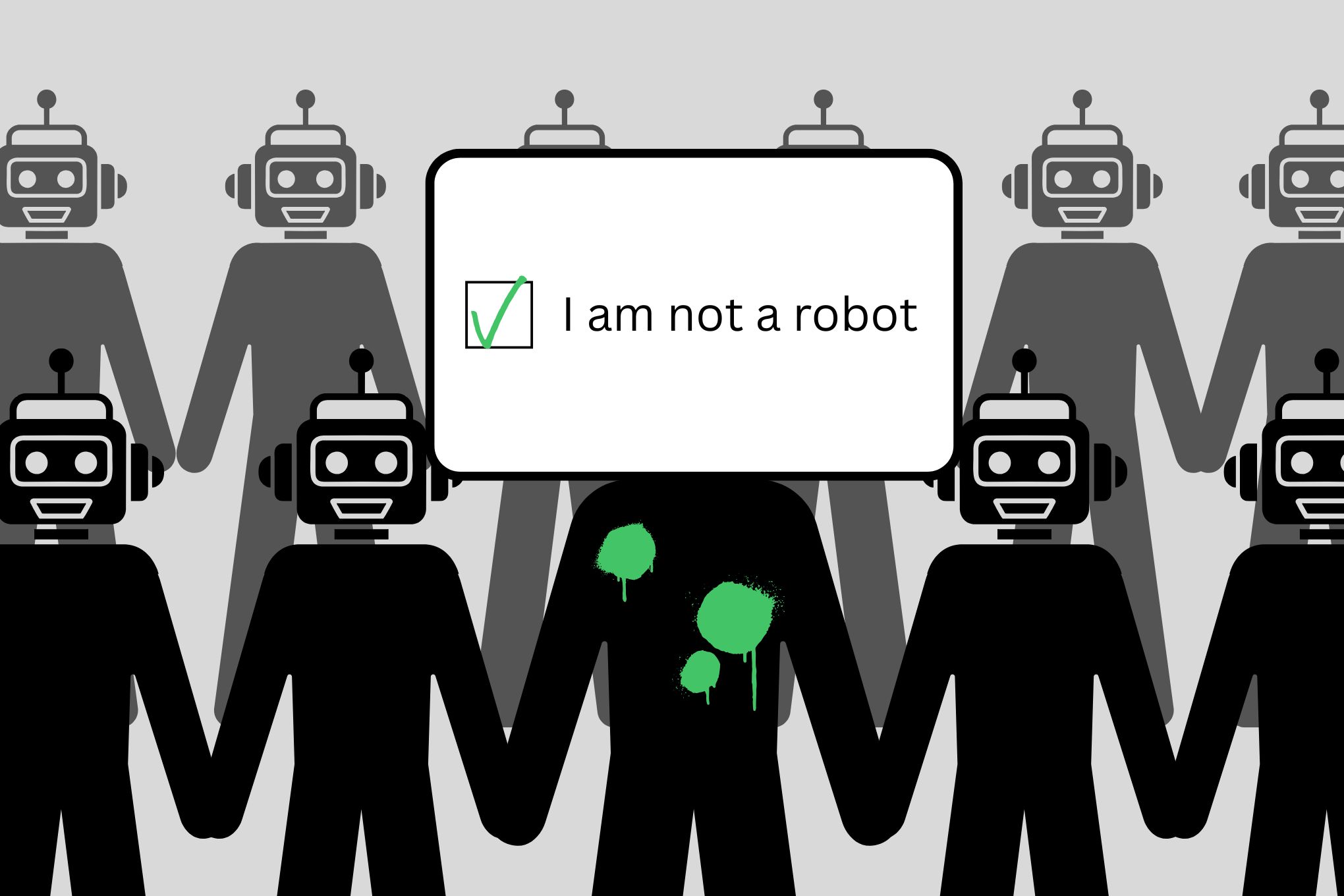
“This looks like AI.” It’s a phrase I dread seeing as a writer who dabbles in illustration and amateur photography. In a world where generative AI technology is increasingly adept at mimicking the work of humans, people are naturally skeptical when online platforms refuse to label even obvious AI content.
Attention is building around the development as stakeholders weigh what it could mean in a broader strategic context. The development is being assessed not just for its immediate impact, but for what it reveals about shifting priorities, execution risk, and direction across the sector.
In fast-moving environments, signals like this tend to influence expectations early. Once narratives begin forming, stakeholders often adjust positioning even before full clarity emerges.
What happened
“This looks like AI.” It’s a phrase I dread seeing as a writer who dabbles in illustration and amateur photography. In a world where generative AI technology is increasingly adept at mimicking the work of humans, people are naturally skeptical when online platforms refuse to label even obvious AI content.
Initial reporting indicates that the development reflects an ongoing shift rather than a standalone event. Similar patterns have emerged in recent cycles where incremental updates later proved strategically significant.
The early phase matters because it shapes interpretation. Whether through operational decisions, public messaging, or market reaction, first responses often set the tone for what follows.
At this stage, the key question is not just what happened, but how quickly stakeholders react and whether that response reinforces a broader trend already underway.
Broader context
The broader backdrop remains fluid, with industry participants responding quickly to signals that could reshape sentiment, strategic direction, or execution priorities.
Within technology, the development may influence how companies think about product strategy, user trust, execution timing, and competitive differentiation.
Across industries, structural pressure is building around speed, credibility, and execution discipline. Organizations are being forced to balance innovation with control, and growth with resilience.
This dynamic means developments are rarely isolated. Technology decisions affect markets, policy affects strategy, and platform behavior influences user trust. The interconnected nature of these systems amplifies the importance of seemingly narrow signals.
In that context, the current development sits within a wider pattern of recalibration across the sector.
Why it matters
Its significance may become clearer over time, particularly if the development begins to influence behavior, strategy, or broader market perception.
The implications extend beyond the immediate headline. For companies, it may influence execution strategy, investment timing, product direction, and competitive positioning. For institutions and markets, it can shape sentiment, risk appetite, and forward-looking expectations.
Equally important is narrative formation. Once a storyline gains traction, it can influence how subsequent developments are interpreted, often reinforcing itself if aligned with broader trends.
This is particularly relevant in sectors where perception, trust, and adoption move as quickly as underlying technology.
Deeper analysis
From an editorial standpoint, the development functions as an early signal rather than a conclusion. Its significance will depend on whether follow-up actions validate or contradict the direction it implies.
Analysts typically look beyond the initial event, focusing on second-order indicators such as strategic adjustments, communication tone, and shifts in behavior across the ecosystem.
If reinforced, the development could influence medium-term positioning and resource allocation. If not, it still provides insight into current pressure points and emerging priorities.
Either way, it contributes to a broader understanding of how the sector is evolving under current conditions.
What to watch next
Attention will now shift to how stakeholders respond and whether additional developments reinforce the current narrative.
Near-term attention will center on follow-up developments, including stakeholder response, implementation changes, and any measurable shift in behavior or sentiment.
The durability of the signal will depend on confirmation. A second wave of aligned developments typically determines whether a narrative becomes structural or fades as a short-term event.
Until then, the story remains a relevant indicator of how expectations, strategy, and positioning are evolving in real time.
Source: Compiled from international media reports and public information.
Editorial note: This article was prepared by TrendNivo Desk using structured newsroom workflows and verified public sources.
More coverage: Technology news and analysis
Editorial note: This article was prepared by TrendNivo Desk using structured newsroom workflows and public information sources.
Related Stories