







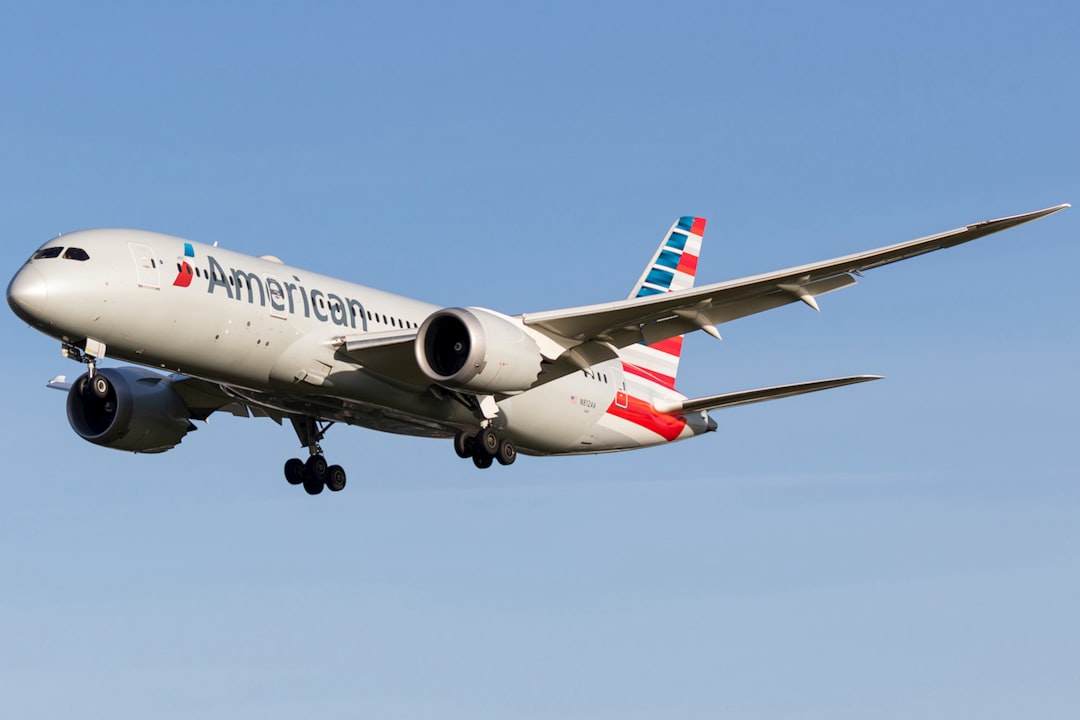
“`html
Boeing Faces Fresh U.S. Senate Inquiry Following Ongoing Whistleblower Testimony on Safety Standards
The aerospace giant that once symbolized American engineering excellence is finding itself under a darkening cloud of regulatory and legislative scrutiny. Boeing, already grappling with a multi-year crisis regarding its manufacturing quality and safety protocols, now faces a fresh and aggressive U.S. Senate inquiry. This latest investigation, spurred by harrowing testimony from internal whistleblowers, threatens to further erode trust in the aviation titan and force a fundamental restructuring of its production oversight.

As lawmakers on Capitol Hill demand accountability, the bridge between corporate profit margins and passenger safety has never looked more fragile. For the traveling public, the frequent flyer programs and ticket prices are taking a backseat to a single, haunting question: Is it safe to fly?
Key Takeaways
- Escalating Oversight: The U.S. Senate has launched a new inquiry into Boeing’s safety culture following fresh allegations from whistleblowers.
- Quality Control Failures: Testimonies highlight systematic issues, including the use of non-conforming parts and the prioritization of speed over structural integrity.
- Regulatory Pressure: The FAA is under immense pressure to tighten certification standards, potentially leading to long-term delivery delays for Boeing’s most popular models.
- Cultural Crisis: Whistleblowers describe an internal environment where reporting safety concerns is often met with retaliation rather than resolution.
The Anatomy of the Whistleblower Allegations
The latest wave of testimony is not coming from disgruntled ex-employees alone; it includes current quality engineers and production staff who claim that the rot within Boeing’s manufacturing process goes deeper than previously admitted. The Senate Permanent Subcommittee on Investigations, led by Senator Richard Blumenthal, has been central to bringing these voices to the public forum.
In recent hearings, witnesses detailed a chaotic floor environment where “traveling parts”—components that are non-conforming or missing documentation—were routinely installed into aircraft to keep production lines moving. One particularly disturbing account involved the alleged bypassing of quality control checks to meet aggressive delivery quotas for the 787 Dreamliner and 737 MAX programs. These whistleblowers argue that the systemic pressure to reach financial targets essentially incentivized staff to overlook critical safety lapses.
Boeing’s Response and the Corporate Defense
In the face of these inquiries, Boeing has consistently adopted a defensive yet apologetic posture. Company leadership, including CEO Dave Calhoun, has reiterated a commitment to “transparency and safety,” frequently pointing to new internal initiatives designed to bolster quality assurance. The company argues that it is cooperating fully with the Senate and the Federal Aviation Administration (FAA).
However, critics argue that these corporate statements lack substance. Investors are increasingly wary, as the company’s stock remains volatile, reflecting the market’s uncertainty regarding the long-term financial impact of potential fines, production halts, and the loss of airline customer confidence. As the inquiry deepens, Boeing finds itself in a classic “trust deficit” scenario: the more they insist that safety is their top priority, the more the public points to the growing mountain of evidence suggesting the opposite.
The Impact on Aviation Safety Regulations
The Senate inquiry is likely to catalyze a significant overhaul in how the FAA regulates large-scale aircraft manufacturers. For decades, the FAA relied on a “delegated authority” model, where Boeing employees performed some certification tasks on behalf of the agency. Lawmakers are now questioning whether this system effectively outsourced oversight to the very company whose financial incentives were misaligned with safety.
This inquiry could result in the “de-delegation” of critical tasks, meaning the FAA will need to hire thousands of additional inspectors to monitor Boeing’s factories around the clock. While this is a win for safety, it creates a logistical bottleneck. If every bolt and panel must be vetted by a federal inspector, the timeline for aircraft delivery will stretch significantly, affecting airlines worldwide that are already struggling to modernize their fleets.
A Cultural Shift: From Profit to Safety?
Perhaps the most significant challenge facing Boeing is not technical, but cultural. Changing a corporate culture—especially one that has been hyper-focused on stock buybacks and rapid expansion for two decades—is a gargantuan task. Whistleblowers have painted a picture of a “culture of fear” where engineers who raised red flags were marginalized or transferred to different departments.
To reverse this trend, the Senate is exploring legislation that would grant stronger whistleblower protections within the aerospace industry. By creating a safer channel for employees to escalate issues to federal regulators without fear of reprisal, lawmakers hope to democratize safety. However, such a shift requires more than just laws; it requires a top-down reset of the company’s moral compass.
The Path Forward: What Does This Mean for the Industry?
The aviation industry is at a crossroads. While Boeing is currently the primary focus of the Senate inquiry, the implications extend to the entire supply chain. Tier-one suppliers are also feeling the heat, as the spotlight shifts to the sub-assemblies that make up a modern jetliner. The goal of this inquiry is not to shutter Boeing, but to ensure that the aerospace titan returns to the gold standard of engineering rigor that defined the mid-20th century.
For the average traveler, the current situation serves as a stark reminder of the complexities of modern aviation. As the Senate proceedings continue, the aviation industry will likely undergo a period of “painful adjustment,” characterized by slower production, higher costs, and a renewed emphasis on the unglamorous, yet vital, work of quality inspection.
Frequently Asked Questions (FAQ)
1. Why is the U.S. Senate launching a new inquiry into Boeing?
The Senate is acting in response to recurring reports of manufacturing quality issues and credible whistleblower testimony. The objective is to investigate systemic failures in Boeing’s safety culture and determine whether current regulatory oversight is sufficient to protect the flying public.
2. What specific safety concerns are being highlighted by whistleblowers?
Whistleblowers have cited issues such as the use of non-compliant parts, the skipping of necessary inspections to meet production deadlines, and an internal environment where employees are intimidated or punished for reporting safety flaws during the assembly process.
3. How will this inquiry affect travelers and the airline industry?
While the inquiry aims to improve safety, it may lead to slower production rates for Boeing aircraft. This could cause delivery delays for airlines, potentially leading to fleet shortages and higher ticket prices as carriers manage capacity constraints during this period of enhanced oversight.
“`